Predictive Forecasting
Forecast demand, revenue, inventory, and resource utilization with models that support smarter planning decisions. Built for sales forecasting, capacity planning, energy demand prediction, and financial projections.
General-purpose AI answers general questions. If your business has specific prediction needs - demand forecasting, churn prediction, fraud detection, quality control - you need models trained on your data, optimized for your outcomes.
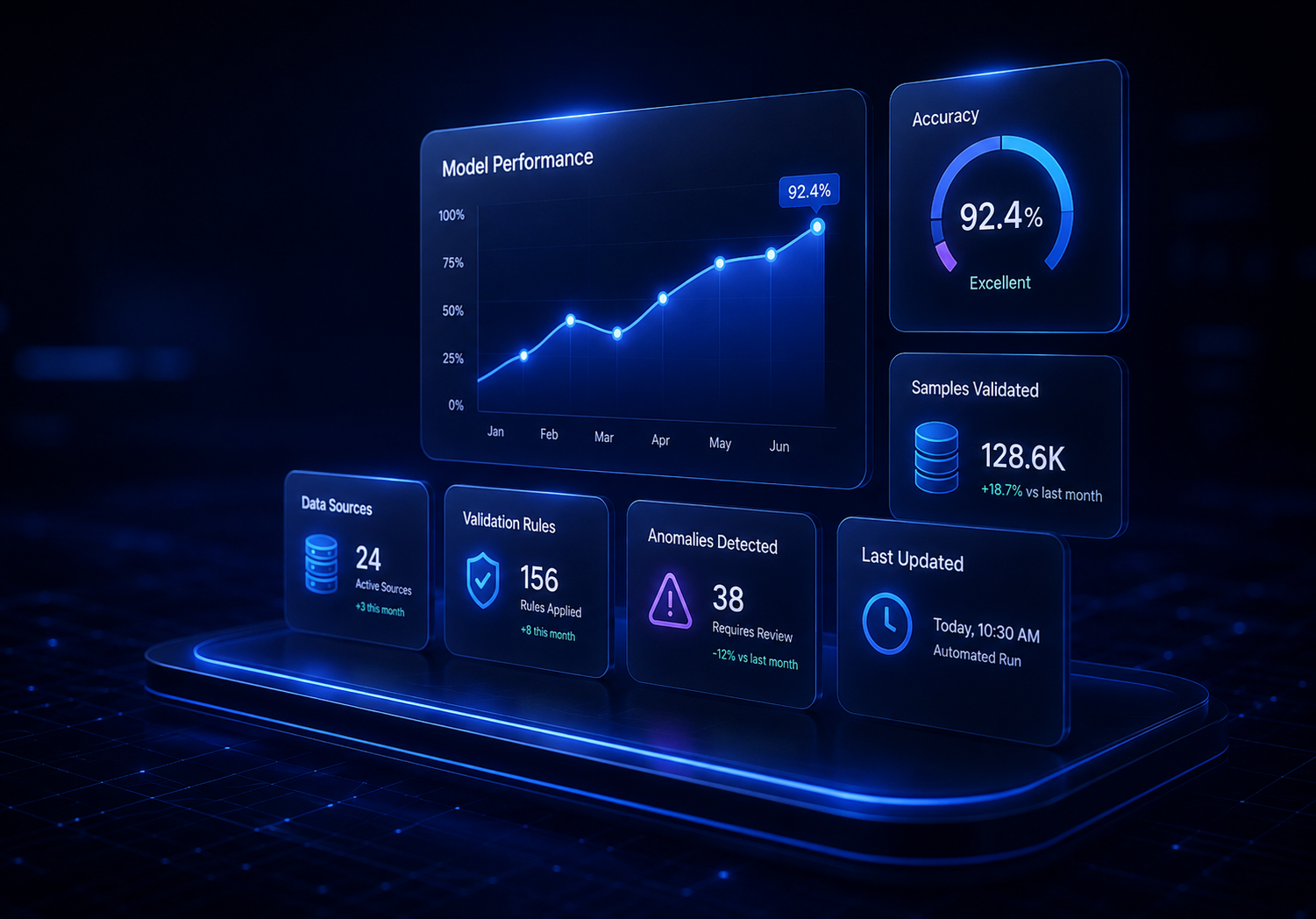
Custom machine learning solutions designed to improve forecasting, automate decisions, detect anomalies, and unlock value from complex datasets.
Forecast demand, revenue, inventory, and resource utilization with models that support smarter planning decisions. Built for sales forecasting, capacity planning, energy demand prediction, and financial projections.
Detect fraud, defects, equipment failures, and unusual system behavior before they cause business impact. Real-time monitoring helps identify risks early and improve operational reliability.
Deliver personalized recommendations that increase engagement, conversion, and retention. Ideal for product suggestions, content personalization, search ranking, and next-best-action experiences.
Assign categories, risk scores, and priority rankings using explainable machine learning models. Commonly used for lead scoring, churn prediction, customer segmentation, and credit risk assessment.
Extract meaningful insights from unstructured text through sentiment analysis, entity extraction, and intent classification. Applied to customer feedback, support tickets, reviews, and compliance documents.
Analyze images and video using object detection, classification, and visual inspection systems. Used for quality control, retail analytics, medical imaging, and security monitoring.
Every model follows a rigorous process of data assessment, feature engineering, validation, and monitoring to ensure measurable business outcomes.
Evaluate data quality, quantity, and labeling before scoping. We won't commit to a model if the data can't support it.
View more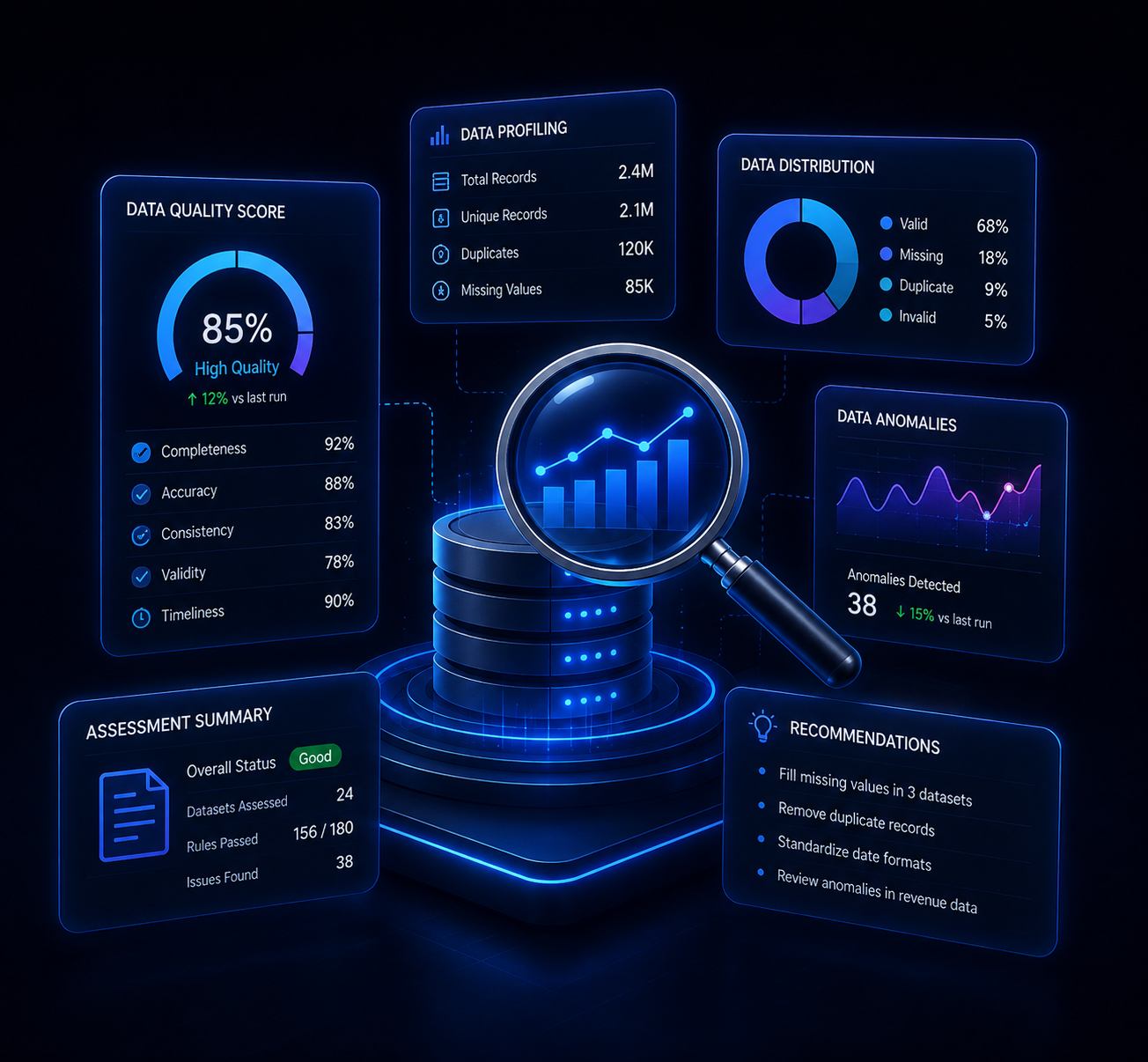
Build a simple baseline model first. Establish the performance floor and use metrics appropriate to business value, not just statistical accuracy.
View more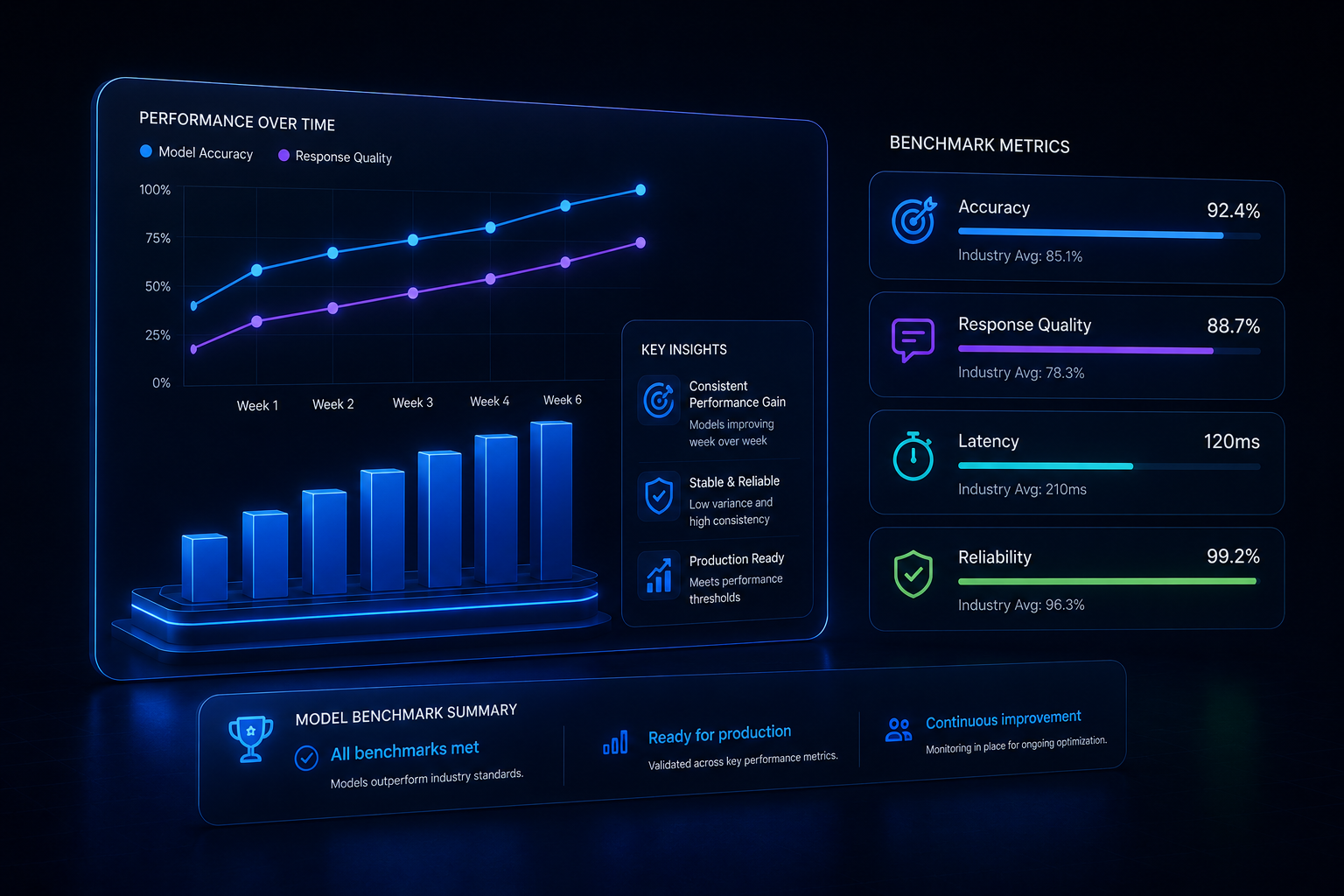
The most impactful phase. Domain-specific feature creation that makes the difference between a model that works and one that is useful.
View more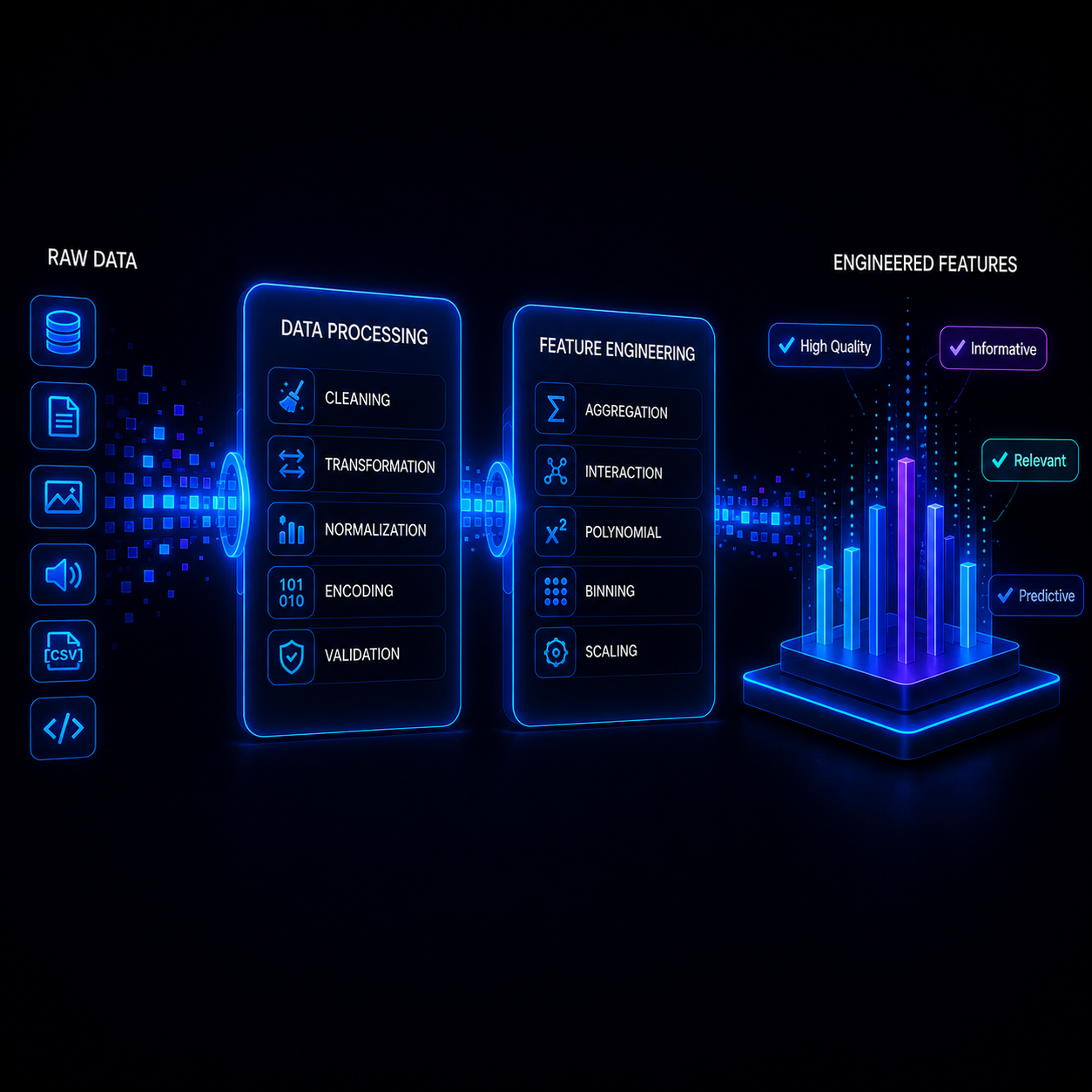
Train, evaluate, and compare multiple model architectures. Select based on accuracy, interpretability, latency, and operational requirements.
View more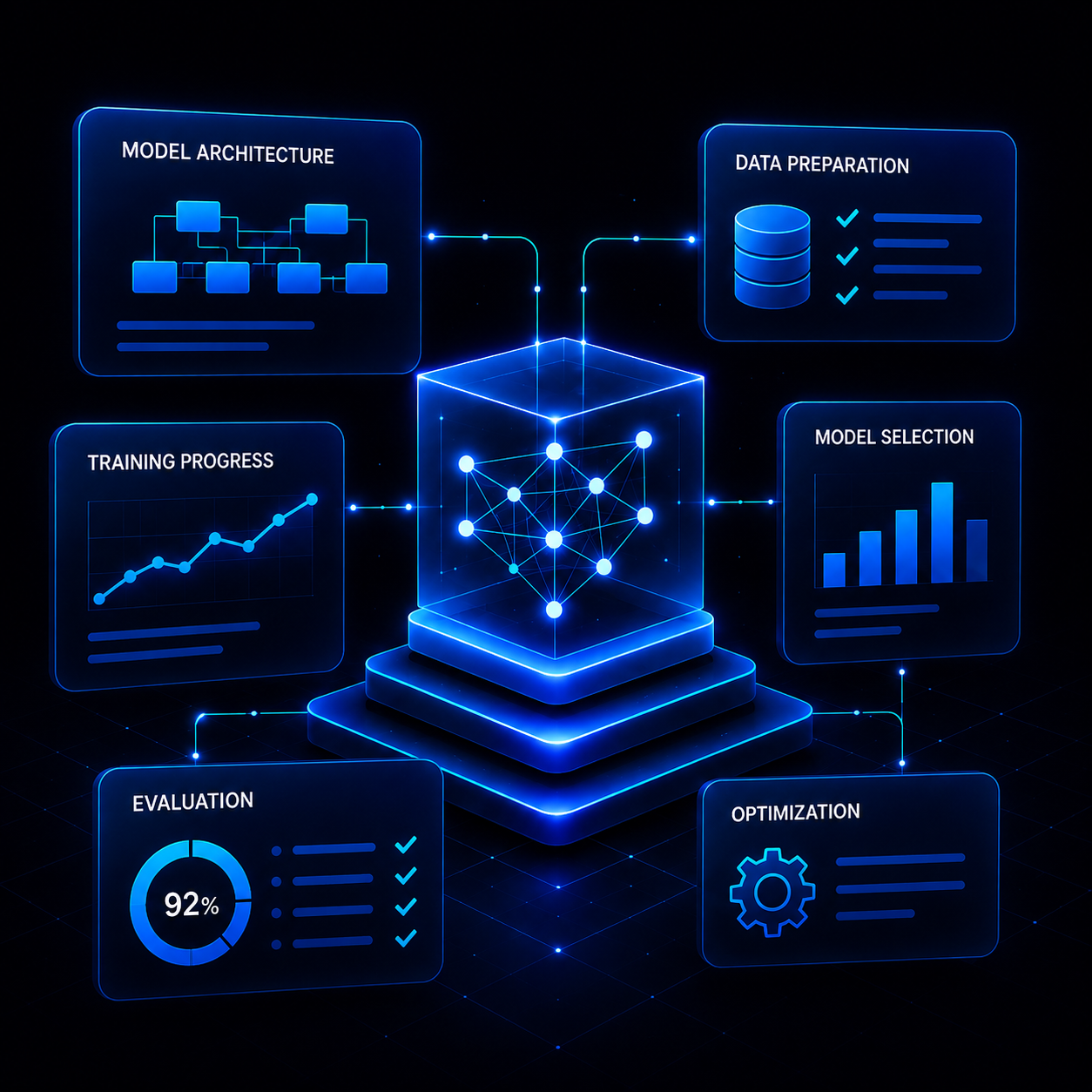
Rigorous hold-out testing, cross-validation, and business metric validation. A model that is accurate by ML metrics but wrong by business metrics is a failure.
View more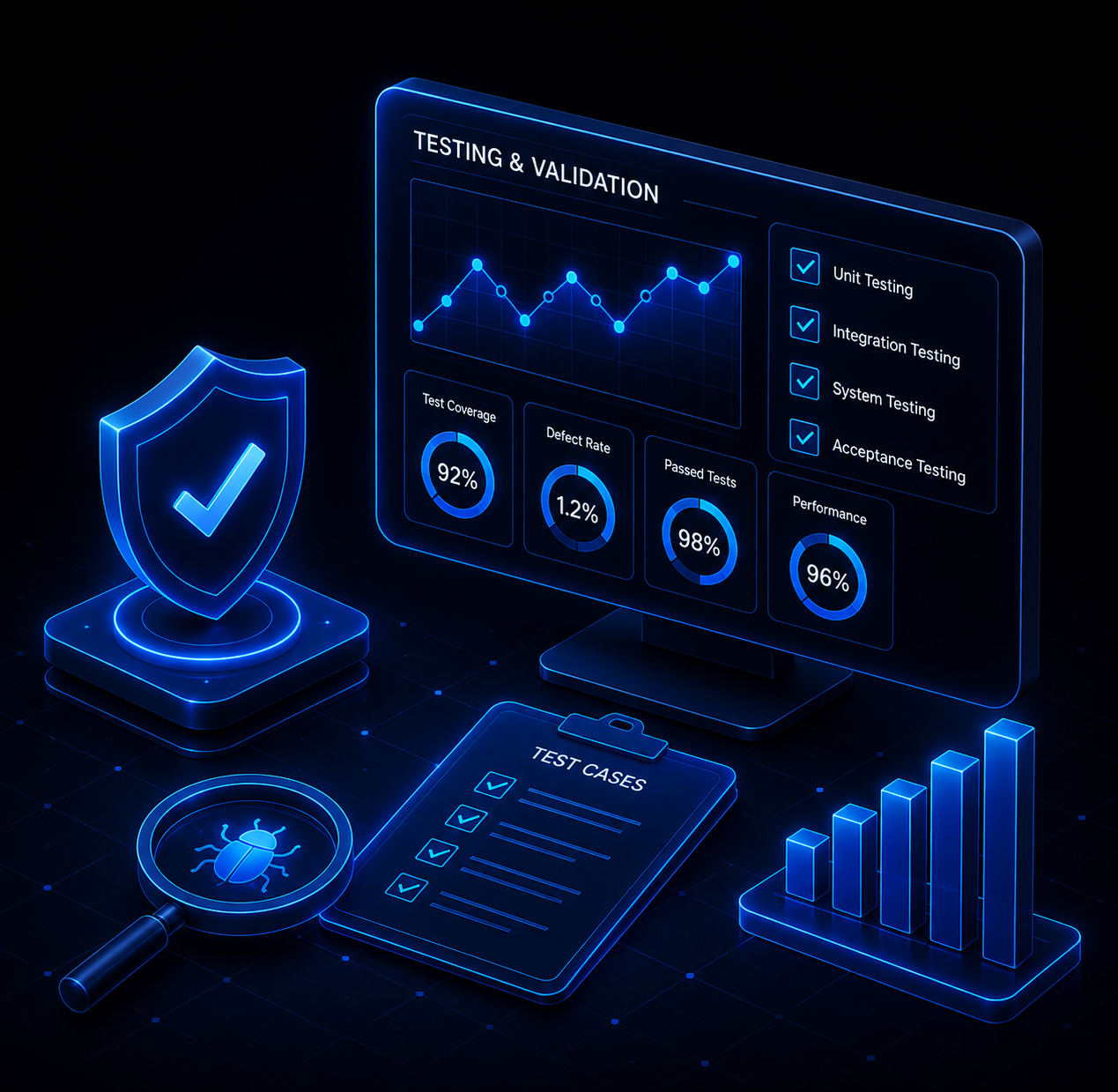
Business rules, statistical models, and workflow automation can often deliver better outcomes with less complexity than machine learning.
Best suited for complex prediction problems, pattern recognition, and decision-making scenarios where data-driven intelligence creates measurable business value.
When business rules are clear and outcomes are predictable, simpler solutions often deliver faster implementation, lower costs, and easier maintenance.
We've implemented both approaches. The recommendation depends on your business goals, data maturity, and operational requirements.
Whether you're exploring your first ML use case or scaling existing models, we help you build solutions that create real operational impact.