Discovery & Validation
Validate the Problem Before You Build the Solution
The most expensive mistake in product development is building the wrong thing with confidence. Discovery exists to reduce that risk - not eliminate all uncertainty, but ensure the assumptions your product is built on are tested before you commit months of engineering effort to them.
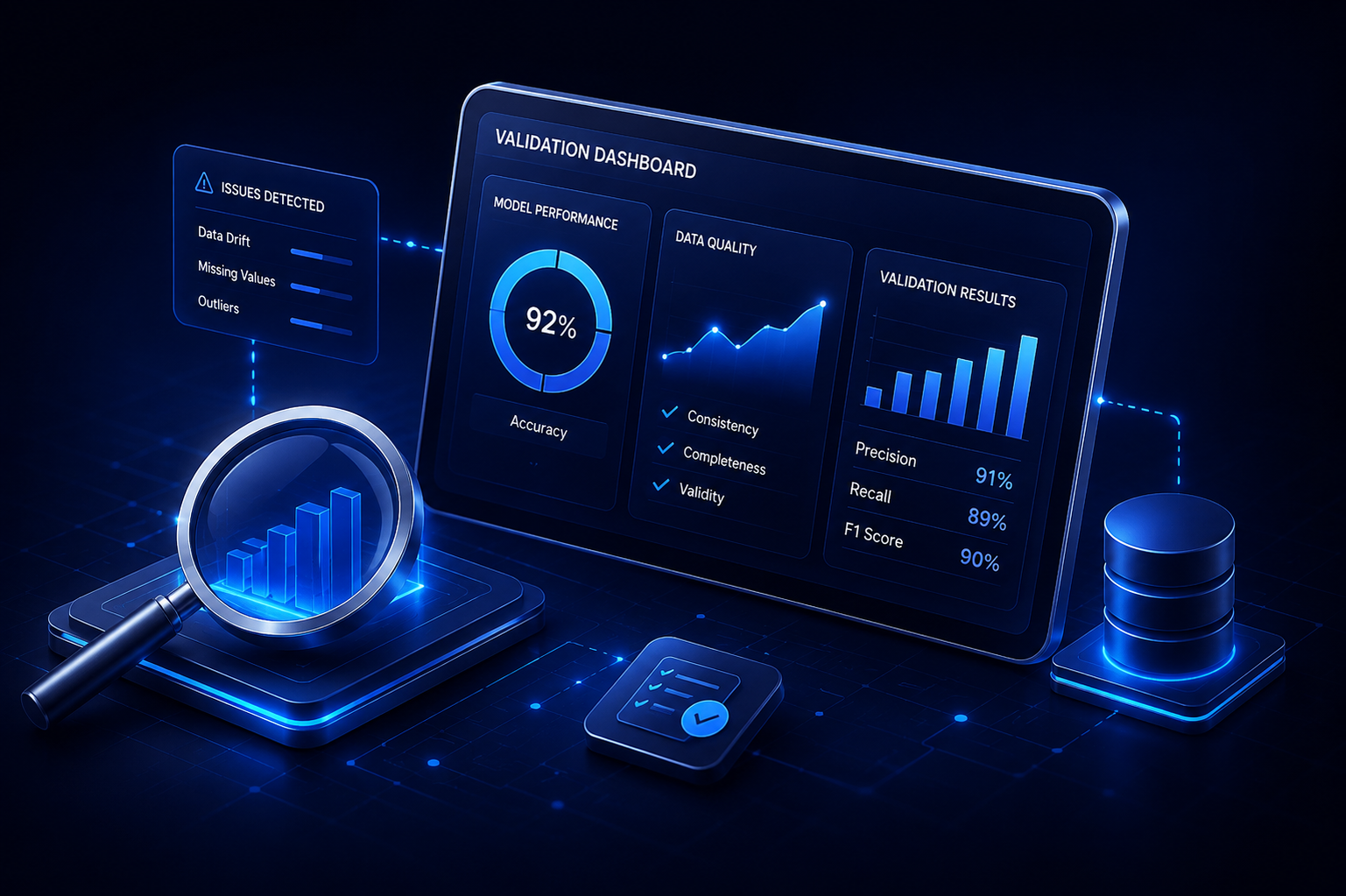
What Discovery Actually Delivers
The Outputs of Discovery
These outputs provide the clarity needed to align teams, define scope, and make confident product decisions.
You have a promising product idea but no clear evidence on where to start.
Leadership needs a structured business case before approving investment.
Your team is exploring multiple opportunities and needs clear prioritization.
You want to move from experimentation to execution without wasting time.
The Discovery Process
A Structured Process for Product Decision-Making
Follow a structured four-week discovery process that transforms research, user insights, and assumptions into clear product decisions, MVP priorities, and an actionable roadmap.
Week 01
Understand
Stakeholder interviews, user research sessions, competitor analysis, and mapping of the current-state problem. We go wide before going narrow.
View more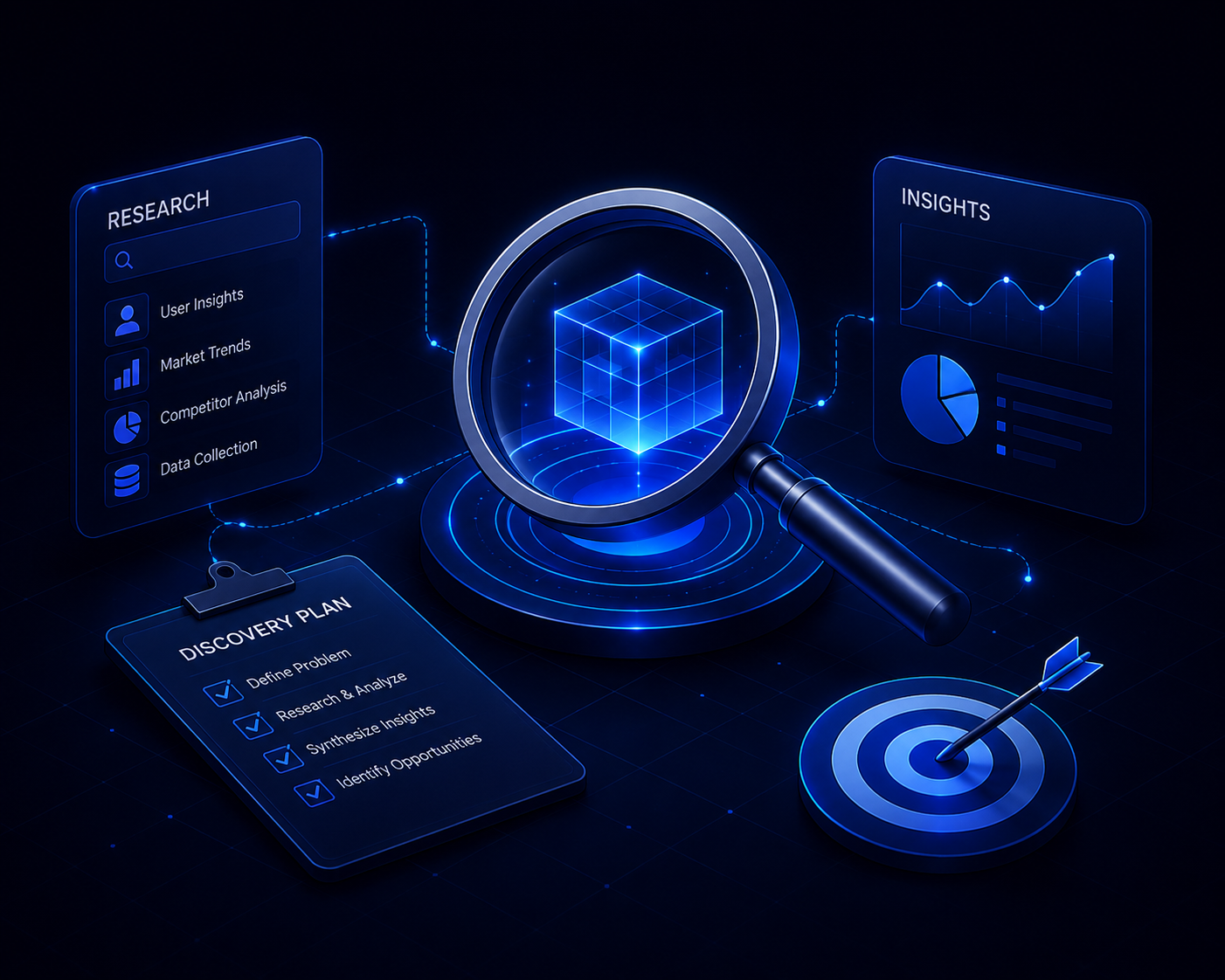
Week 2
Define
Synthesize research into user journeys, define the job-to-be-done, identify the riskiest assumptions, and map the solution space.
View more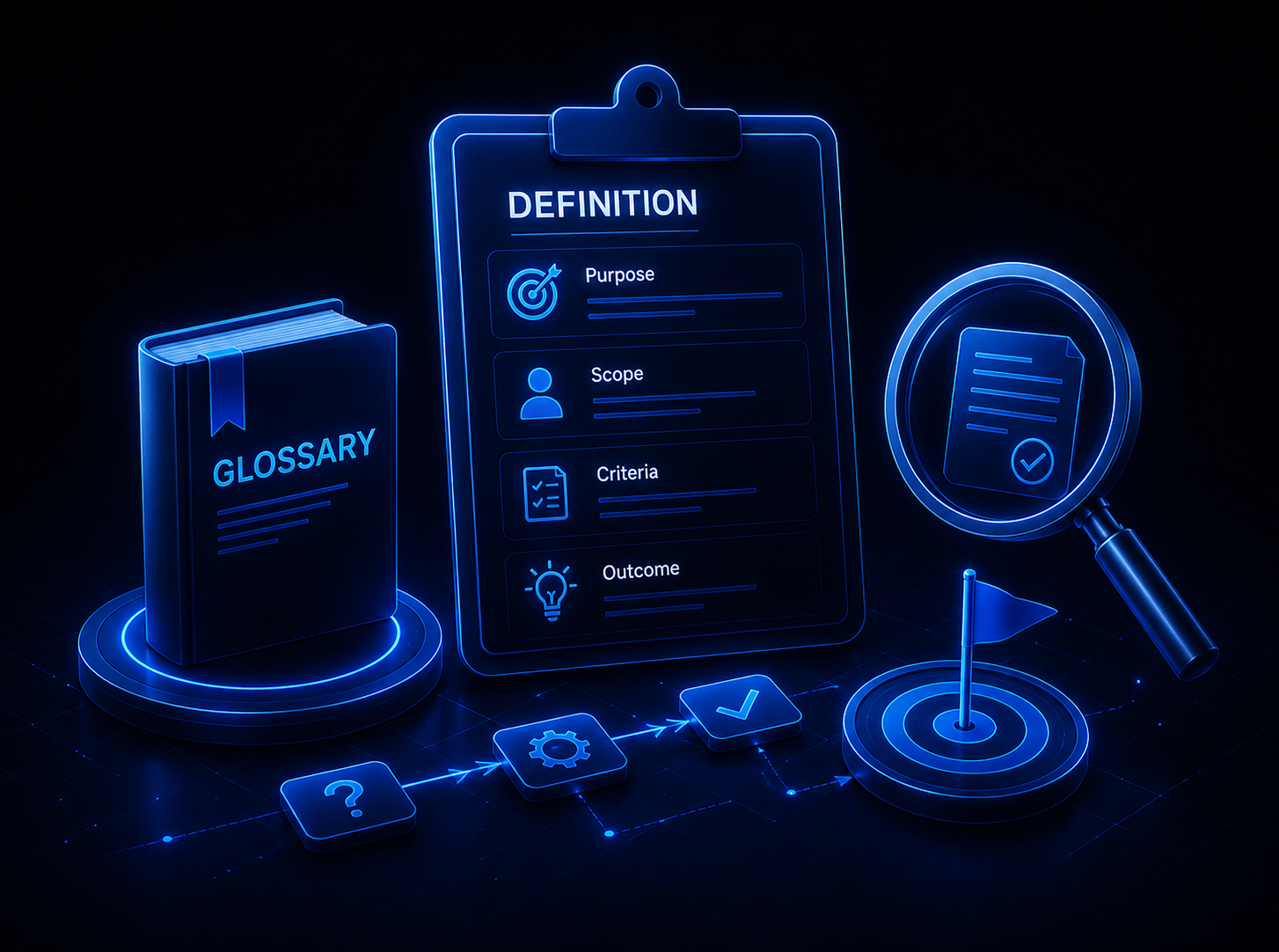
Week 3
Validate
Prototype the core interaction (not the full product — the critical decision point). Put it in front of real users. Measure signal, not opinion.
View more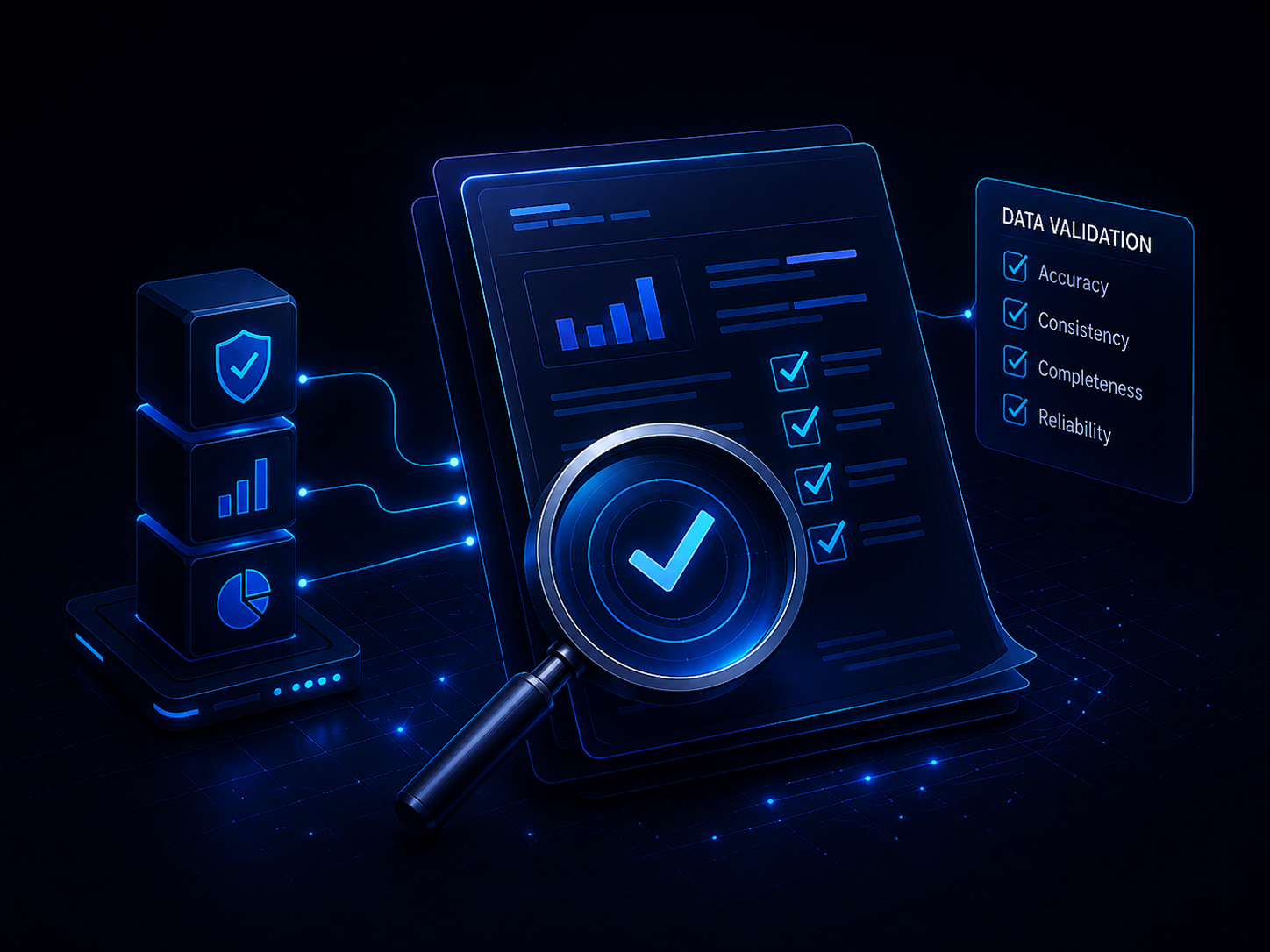
Week 4
Decide
Synthesize findings into a build recommendation. Define the MVP scope, success metrics, and technical approach.
View more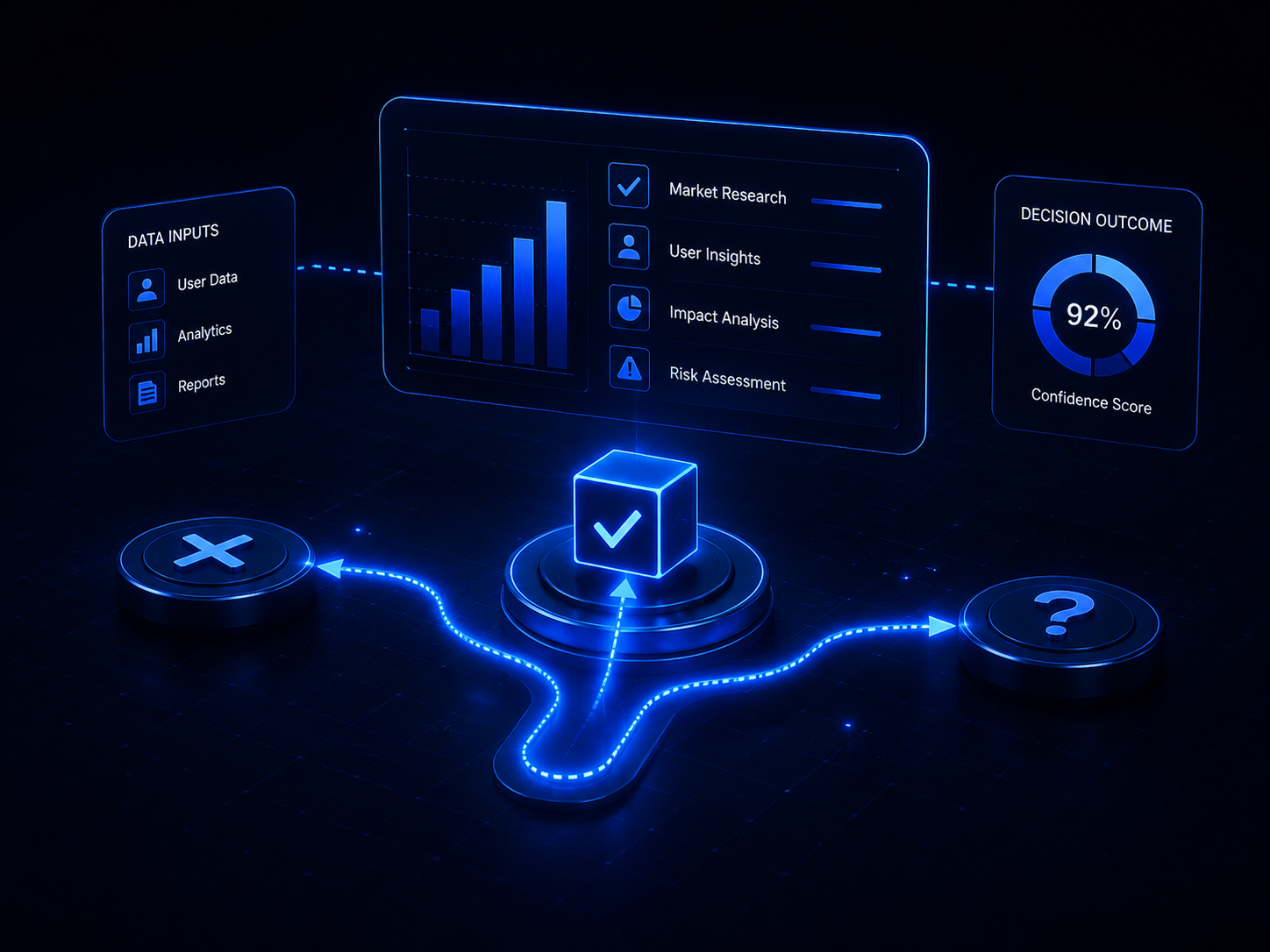
Deliverables The Outputs That Guide
The Outputs That Guide Product Decisions
A practical set of research, strategy, and planning deliverables that help align stakeholders, define priorities, and guide the product build with clarity.
Validated problem statement and solution hypothesis
MVP scope definition with prioritized feature list (MoSCoW)
Clickable prototype for the core user flow
Technical architecture recommendation
Build effort estimate and team requirements
Go/no-go recommendation with reasoning
When to Run Discovery
Indicators Your Product Needs Validation
These common signs suggest your product direction, user needs, or priorities require validation before moving into design and engineering.
You have an idea but haven't talked to enough real users
Your team disagrees on what to build
You're planning to rebuild or pivot an existing product
You need to justify investment before committing a team
You've been building but aren't seeing the outcomes expected
When Discovery Is Probably Not Needed
Not Every Product Needs Discovery
Discovery is most valuable when uncertainty exists. If key decisions have already been validated, it may be time to move directly into execution.
1
Validated Research
Research findings have already been validated.
2
Clear Requirements
Requirements and objectives are already defined.
3
Defined Scope
The feature scope is already established.
Ready for Clarity?
Know What to Build and Why
Reduce uncertainty, align stakeholders, and define a roadmap for execution.